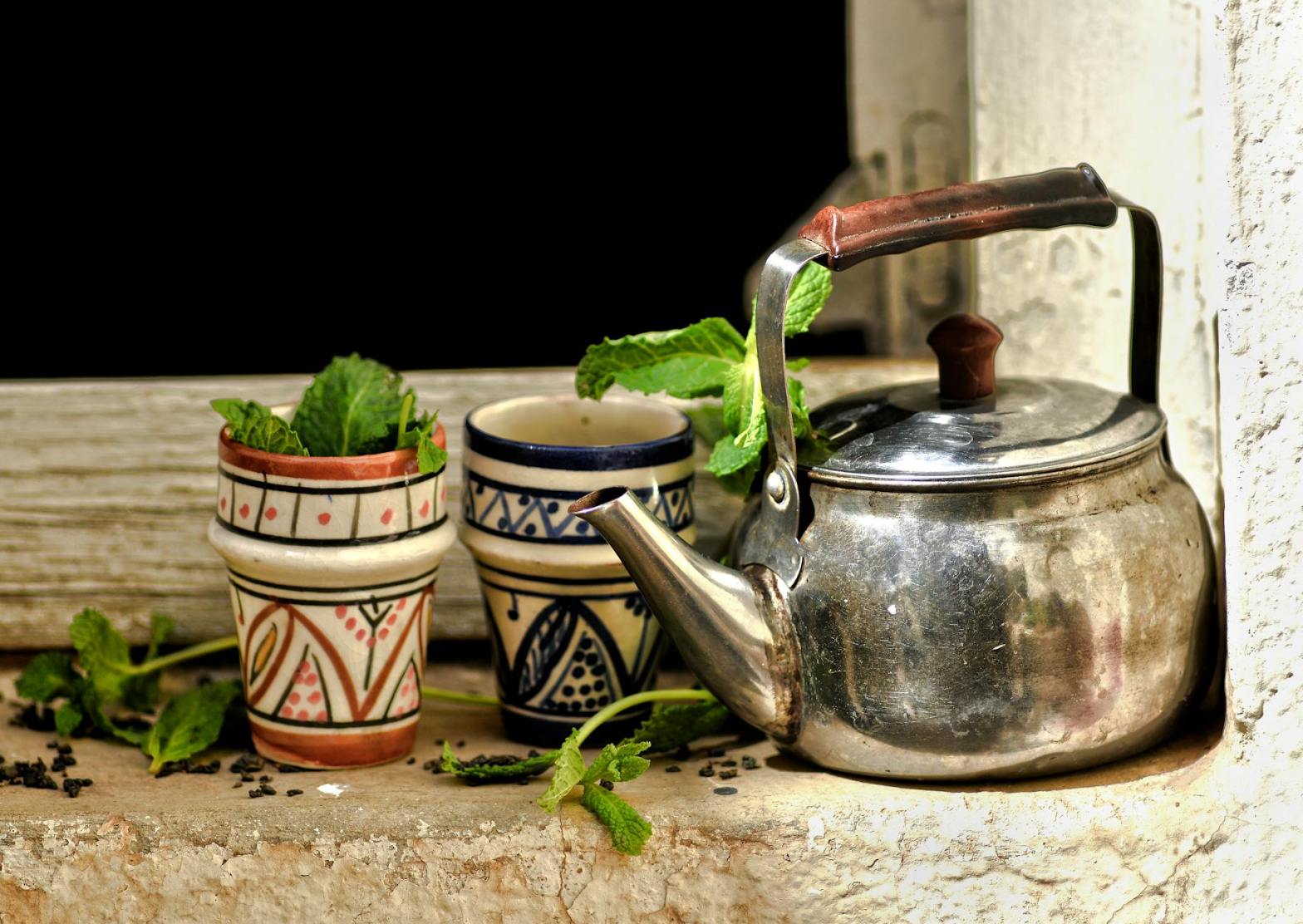
#WELLNESSWEDNESDAY
With tensions arising daily, achieving a good night’s sleep is a growing challenge. Whether due to stress, anxiety, or the pressure of daily life, many people struggle to experience deep, restorative rest. Fortunately, there are many natural solutions that can assist the sleep journey, take herbal teas for example. Known for their calming and sleep-promoting properties, herbal teas are a gentle, effective way to improve your sleep quality and enhance your overall well-being. In this post, I will guide you in exploring five herbal teas for sleep while also providing tips on how to incorporate them into your self-care evening ritual.
Why Herbal Teas Are Perfect for Better Sleep
Herbal teas have been used for centuries to promote relaxation and soothe the mind. Many herbs contain compounds that naturally calm the nervous system, reduce anxiety, and prepare your body for rest. By incorporating the right herbal teas into your evening ritual, you can utilize the power of nature to cultivate a sleep-enhancing routine that can help you drift off to sleep more easily and stay asleep longer. Read on to learn about five herbal teas to aid in better sleep and restful nights.
1. Chamomile Tea: The Classic Sleep-Inducer
Chamomile tea is a go-to remedy for those who have trouble sleeping and is honestly a personal favorite for me. This calming herb contains an antioxidant called apigenin, which binds to brain receptors that help induce sleep and reduce anxiety. Chamomile is gentle, natural, and effective—making it one of the most popular teas for sleep.
How Chamomile Promotes Better Sleep: Chamomile’s ability to induce relaxation makes it a perfect sleep aid. Drinking chamomile tea before bed can help reduce stress, calm your mind, and prepare your body for sleep.
How to Use Chamomile for Better Sleep: To make the most of chamomile tea, sip it 30 minutes before bedtime. For added relaxation, pair it with a warm bath or meditation. You can even add a teaspoon of honey to enhance the soothing effects.
Bonus Tip: Drink chamomile in the afternoon if you tend to feel anxious or stressed during the day. Its calming properties can ease tension and set the stage for a restful night ahead.
2. Lavender Tea: The Aromatherapy Sleep Solution
Lavender is widely known for its soothing and sleep-promoting properties. The scent of lavender alone can significantly reduce stress and anxiety, but when brewed into a tea, it becomes a powerful sleep aid. Lavender contains compounds like linalool, which helps lower heart rate and blood pressure, signaling your body to relax.
How Lavender Tea Enhances Sleep: Drinking lavender tea before bed can help reduce feelings of stress and anxiety, allowing your body to unwind and prepare for sleep. The calming fragrance of lavender is an added bonus, helping you relax both mentally and physically.
How to Use Lavender for Better Sleep: Enjoy a cup of lavender tea about 30 minutes before you go to bed. For an even more relaxing experience, diffuse lavender essential oil in your bedroom or apply a few drops to your pillow. This combination of tea and aromatherapy can enhance your sleep environment and help you drift off faster.
Bonus Tip: If you’re a fan of reading or journaling before bed, pair your lavender tea with these activities to further calm your mind and relax your body.
3. Valerian Root Tea: The Deep Sleep Enhancer
If falling asleep or staying asleep is a challenge for you, valerian root tea could be the perfect solution. Valerian has long been used to combat insomnia and promote deep, restorative sleep. Valerian root contains compounds like valerenic acid, which increase GABA levels in the brain—an inhibitory neurotransmitter that reduces anxiety and promotes relaxation.
How Valerian Root Tea Improves Sleep: Valerian root is known for its ability to not only help you fall asleep but also to improve sleep quality. It’s especially beneficial for those who have difficulty staying asleep through the night.
How to Use Valerian Root for Better Sleep: Drink valerian root tea 30 minutes to an hour before bedtime. Consider combining it with a gentle evening stretch or relaxation exercises to help release any built-up tension from the day.
Bonus Tip: If you find the taste of valerian root too strong, blend it with chamomile or lemon balm for a more pleasant flavor while still enjoying its sleep-enhancing benefits.
4. Lemon Balm Tea: The Stress-Relieving Sleep Aid
Lemon balm is a member of the mint family and is known for its stress-relieving and sleep-enhancing properties. It has been used for centuries to ease anxiety, reduce stress, and improve sleep quality. Lemon balm contains rosmarinic acid, which helps promote a sense of calm and relaxation, making it ideal for those who struggle with restlessness.
How Lemon Balm Promotes Better Sleep: Lemon balm works by calming both the mind and the body. It can help reduce feelings of anxiety and nervousness, allowing you to unwind more easily and fall asleep faster.
How to Use Lemon Balm for Better Sleep: Drink lemon balm tea 30 minutes to an hour before bed. You can also pair it with chamomile or lavender for an extra soothing sleep blend. For added relaxation, practice some gentle breathing exercises as you sip your tea.
Bonus Tip: Lemon balm tea is great for daytime use as well—sip it in the late afternoon or early evening to reduce stress and help prepare your body for sleep later on.
5. Peppermint Tea: The Relaxing Digestive Aid
While peppermint is commonly associated with digestion, it also has relaxing effects that make it a great choice for promoting better sleep. Peppermint tea can help alleviate digestive discomfort, such as bloating or indigestion, which can interfere with sleep. Additionally, peppermint contains menthol, which helps relax the muscles and calm the nervous system.
How Peppermint Tea Improves Sleep: Peppermint tea is an excellent choice if your sleep is disrupted by digestive issues. By relaxing your digestive system and soothing muscle tension, peppermint helps prepare your body for a restful night’s sleep.
How to Use Peppermint for Better Sleep: Sip peppermint tea after dinner to relieve digestive discomfort, and enjoy a cup about 30 minutes before bed. The relaxing effect of peppermint can help calm your mind and body, signaling that it’s time to unwind.
Bonus Tip: For a calming bedtime ritual, pair peppermint tea with some light stretching or gentle yoga to release any remaining tension.
Creating Your Perfect Self-Care Evening Ritual
Incorporating herbal teas into your evening routine is a wonderful way to support better sleep, and it’s important to note that drinking tea alone will not magically change your rest patterns! To truly experience the depth and benefits of herbal teas, it’s important to create a holistic self-care ritual that prepares your body and mind for rest. Here are some suggestions on how to build a relaxing and deep sleep inducing bedtime routine:
- Set a Calm Environment: Dim the lights and turn off any bright screens to signal to your body that it’s time to relax.
- Prepare Your Herbal Tea Mindfully: Choose one of the above teas or create a blend using two or more. Prepare your tea slowly and drink it intentionally, savoring each sip. This invites relaxation and begins the wind-down process.
- Indulge in Relaxing Activities: Whether it’s a warm bath, reading, or meditation, engage in calming activities that promote relaxation and rest.
- Sleep-Friendly Aromatherapy: Use essential oils such as lavender, chamomile, or sandalwood to enhance the calming atmosphere.
By incorporating herbal tea and cultivating a self care mindset into your evening routine, you’ll be setting the foundation for a more restful and rejuvenating night’s sleep. Sweet dreams are within reach! How will you start your journey to better sleep tonight? Let me know in the comments below. I am excited to hear how you practice nighttime rejuvenation!
ABOUT LA’TASHA KIONGOZI

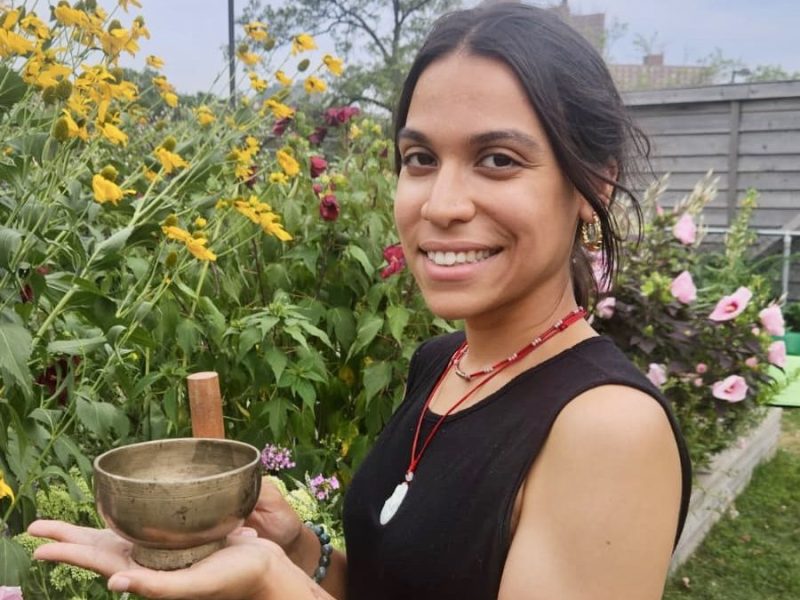
EXHALE Social welcomes our newest contributor La’Tasha Kiongozi curator of our Wellness Wednesday series. La’Tasha Kiongozi is a poet, educator, healer, and sacred artist committed to mindfully savoring the joys of life. They advocate for self expression and honor creativity as medicine. Through their writing and healing remedies, they hope to inform, encourage, and inspire all they cross paths with to flow in holistic wellness and abundance. When they are not brewing herbal medicines or showcasing their work at conferences and workshops, La’Tasha can be found playfully exploring the world, gazing up at the stars, or immersed in a good book. Connect with La’Tasha and explore their work and offerings.
![JayLaTay and EXHALE Bring the Fall Garden[ing] Party Vibes to Philly.](https://exhalesocial.com/wp-content/uploads/2025/02/dsc_8744.jpg?w=1200&h=900&crop=1)

 EXHALE Social