Music is an integral part of any gathering, setting the tone, evoking emotions, and fostering connection. However, in today’s world, curating a playlist isn’t just about selecting the right songs for the vibe; it’s also about being mindful of the messages and actions associated with the artists behind the music. An ethically sound playlist goes beyond just choosing enjoyable tracks—it considers the values and behavior of the musicians themselves. In this post, we will explore why it’s essential to create a playlist with ethical considerations, how to craft it, and which artists you might want to avoid based on their controversial actions or statements.
Why Make an Ethically Sound Playlist?
1. Social Responsibility and Inclusivity As listeners and curators of music, we hold power in shaping the culture around us. By creating an ethically sound playlist, you ensure that your event or gathering fosters a respectful, inclusive atmosphere. Music is a universal language that connects people, but the impact of an artist’s behavior or ideology can extend far beyond their tracks. For example, an artist with problematic views—such as making homophobic, racist, or misogynistic statements—can influence their audience in harmful ways. Choosing artists who align with progressive, inclusive values shows your support for a more equitable and just society.
2. Avoiding Harmful Messaging In many cases, artists who have been accused of harmful actions—whether that’s sexual abuse, promoting hate speech, or engaging in violent behavior—have the potential to perpetuate toxic attitudes in their fanbases. The music industry has a long history of overlooking or even enabling such behavior, but as consumers, we have the power to hold artists accountable. An ethically sound playlist avoids glorifying individuals who may have a harmful influence on their audience.
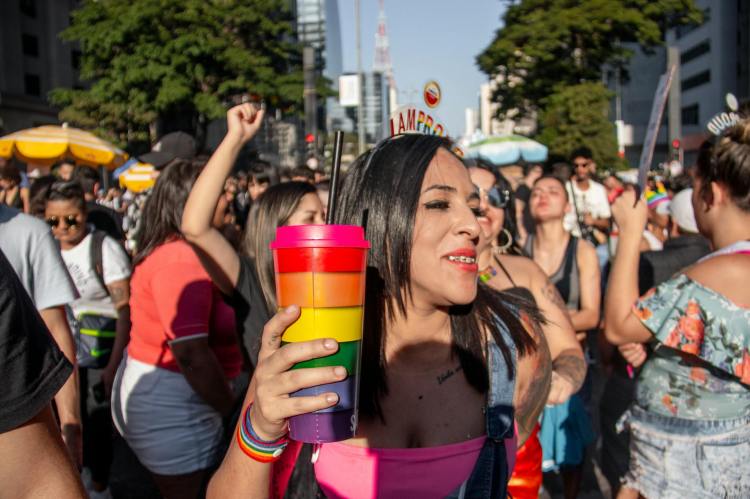
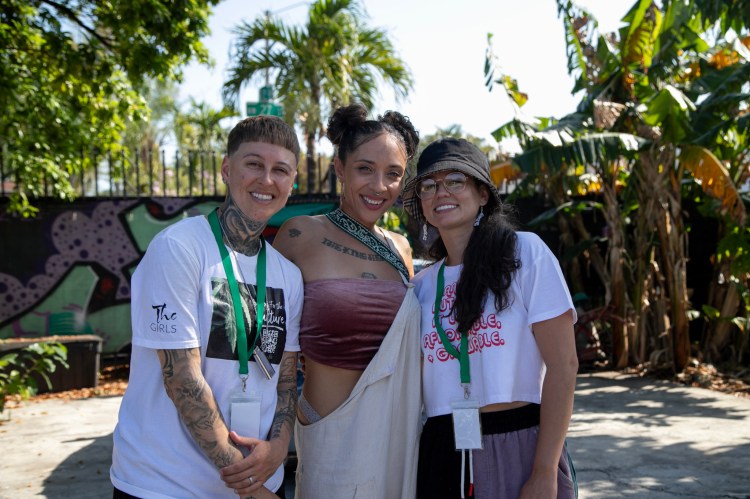
3. Aligning Your Event’s Values Whether you’re hosting a corporate event, a birthday party, or a charity fundraiser, your playlist sends a message. Music can reflect the values of your event. For instance, if you’re hosting an LGBTQ+ inclusive event, curating a playlist that includes artists who champion LGBTQ+ rights and inclusion, while avoiding those who have made harmful or discriminatory comments, will resonate more authentically with your audience. An ethically sound playlist helps maintain consistency with the values you wish to promote.
How to Make an Ethically Sound Playlist
1. Research the Artists Start by doing some background research on the artists you want to include in your playlist. While it’s important to celebrate music that resonates with the mood and theme of your event, it’s equally important to know whether the artist has engaged in controversial behavior or made harmful public statements. Many platforms, including social media, news outlets, and music blogs, cover artists’ personal controversies, which can help you make an informed decision.
2. Prioritize Artists Who Support Inclusivity Look for artists who use their platforms to promote positive messages, whether that’s advocating for social justice, supporting marginalized communities, or raising awareness about important causes. Artists such as Beyoncé, Taylor Swift, or Billie Eilish are known not only for their musical talent but also for their activism and commitment to progressive values. Including such artists in your playlist ensures that your event promotes positive and inclusive messages.
3. Check for Allegations or Legal Issues If you’re unsure about an artist’s reputation, look into any past legal issues or accusations. For example, allegations of sexual assault, violence, or other forms of misconduct should be taken seriously, as they can reflect deeply troubling behavior. Many artists have faced public scrutiny due to legal battles or accusations, so it’s essential to weigh the facts before including them in your playlist.
4. Use Platforms That Highlight Ethical Artists Some music platforms and websites are dedicated to highlighting ethical music, offering curated lists of artists who are known for their integrity and social responsibility. For instance, platforms like Patreon or Bandcamp allow you to directly support artists who promote positive values. You can also explore playlists curated by organizations like Women in Music or Black Lives Matter that highlight artists using their platform for good.
5. Diversify Your Playlist An ethically sound playlist should be diverse in both genre and representation. Aim for a mix of artists from different racial, cultural, gender, and sexual identities. This not only enriches the musical experience but also helps support a wider array of voices and perspectives.
Suggested Artists to Blacklist Based on Controversial Behavior
While music should be about enjoying art, it’s equally important to consider an artist’s behavior when creating a playlist for your event. The following artists have faced accusations or made public statements that contradict values of inclusivity, equality, and respect. Keep in mind this list is not all-encompassing.
1. R. Kelly has been at the center of numerous allegations of sexual abuse and misconduct, especially involving minors. He has been convicted of several charges in relation to these crimes, making him a highly controversial figure. Including his music in an ethically sound playlist is problematic due to the harm caused by his actions.
2. Chris Brown has a history of violent behavior, including a well-known 2009 incident in which he allegedly assaulted then-girlfriend Rihanna. Despite his musical success, his actions have led to widespread backlash, and many consider him unfit to be celebrated in an event that promotes respect for women and non-violence.
3. Kanye West has made numerous controversial statements throughout his career, including spreading conspiracy theories and making anti-Semitic remarks. These comments have sparked outrage, and many fans and industry professionals have distanced themselves from him as a result. His statements can foster an atmosphere of division and hatred, making him a problematic figure for an inclusive event.
4. Morrissey Morrissey, the former frontman of The Smiths, has made several anti-immigrant, racist, and controversial comments over the years. His views have made him a polarizing figure, with many people choosing to distance themselves from his music due to his harmful rhetoric.
5. Tekashi 6ix9ine, a rapper, has a long history of legal issues, including allegations of sexual assault and involvement in gang violence. His behavior, including the glorification of violence, has made him a controversial figure, and many find his actions incompatible with a respectful and ethical event atmosphere.
SUGGESTIONS TO ADD TO THE LIST? LEAVE A COMMENT BELOW!
Creating an ethically sound playlist for your event is about more than just picking great tracks—it’s about considering the impact of the artists you include and aligning your playlist with values that promote inclusivity, respect, and accountability. By researching the artists you include, prioritizing those who champion progressive causes, and avoiding those with problematic histories, you can create a playlist that not only enhances your event but also supports a more ethical, positive cultural environment.