#WELLNESSWEDNESDAY
In our fast-paced, modern world, we do not have the luxury of maintaining self-care as just another buzzword. Now more than ever, self-care as a practice is a vital part of maintaining both physical and emotional well-being. With so many different self-care practices to choose from, it can be overwhelming to know where to start though. Let’s alleviate some of that stress right now by remembering that the key to cultivating and sustaining a fulfilling self-care routine lies in personalization. You have to engage with practices that resonate with you and nurture your unique mind, body, and spirit because nobody knows what’s best for you quite like you do!
Keeping you and your needs as a focal point, this post will explore how to create a personalized wellness routine, focusing on both physical and emotional self-care practices. We’ll dive into simple, effective rituals like herbal teas, journaling, and meditation, and guide you towards designing a routine that fits your lifestyle and needs.
Why Personalized Self-Care Matters
Self-care isn’t a one-size-fits-all approach. What works for one person might not work for another, and that’s perfectly okay. The beauty of self-care is that it’s an evolving process—what nurtures you today might be different from what works tomorrow. That’s why it’s essential to craft a wellness routine that speaks to your specific needs, desires, and goals.
Whether you’re looking to reduce stress, enhance mental clarity, improve your physical health, or simply add moments of joy to your day, the right self-care practices can be the perfect antidote to the pressures of modern life. Personalizing your routine allows you to choose rituals that not only make you feel good but also help you live with greater intention and balance.
Building Your Personalized Wellness Routine
Creating a personalized wellness routine begins with self-awareness. Reflect on how you’re feeling physically and emotionally. What areas of your life do you need to nurture? Are you feeling run down or mentally exhausted? Do you need more grounding or relaxation? Taking the time to tune into your body and mind will guide you in choosing practices that serve your needs as they arise. Below is a list of key self-care elements to consider as you create and adjust your wellness routine.
1. Physical Self-Care: Nourishing Your Body
Physical self-care is about honoring your body with habits that support your health and well-being. Start by considering what your body needs to feel rejuvenated and energized. Here are a few practices to get you started:
Herbal Teas: Sip Your Way to Relaxation
Herbal teas are an excellent way to nourish your body while offering a moment of relaxation. Herbal teas like chamomile, lavender, or peppermint are not only soothing but also provide natural remedies for a variety of ailments—from calming anxiety to aiding digestion.
Chamomile tea is well-known for its calming properties and can help promote better sleep. Peppermint tea is great for improving digestion and refreshing the senses, while ginger tea can boost your immunity and provide anti-inflammatory benefits. Choose a tea that fits your emotional or physical needs for the day.
How to incorporate herbal tea into your routine:
- Set aside time in the morning or evening to brew a cup of herbal tea. Take this time to be present with yourself, slowing down to savor the warmth and aroma.
- For a more therapeutic approach, look for blends tailored to specific needs like stress relief, digestion, or immune support.
Gentle Movement: Stretch, Walk, or Practice Yoga
Movement is a cornerstone of physical self-care, but it doesn’t always have to mean intense exercise. Gentle movement, such as stretching, walking, or yoga, can release tension, boost your mood, and improve circulation.
- Stretching or doing light exercises like tai chi in the morning can help wake up your muscles and set a positive tone for the day.
- Walking outside, especially in nature, is not only great for your body but also for your mental clarity.
- Yoga is an excellent practice that combines physical movement, breathwork, and mindfulness, promoting both physical strength and emotional balance.
- Tai Chi is an often overlooked movement modality, and personal favorite of mine. Known primarily as a Chinese martial art, tai chi is a great option to combine mindfulness with balance and gentle movement.
Start small—just 10-15 minutes of gentle stretching or a short walk can be a perfect addition to your daily routine.
2. Emotional Self-Care: Nurturing Your Mind and Spirit
Emotional self-care focuses on taking care of your mental health and emotional well-being. These practices can help you process your feelings, release stress, and build a positive mindset. Here are some rituals to consider:
Journaling: Reflect and Release
Journaling is one of the most accessible and therapeutic ways to connect with your emotions. Writing allows you to reflect on your day, express gratitude, release pent-up emotions, and track your progress.
You don’t have to journal every day (unless you want to)—but setting aside time to write about how you’re feeling, what you’re grateful for, or what’s on your mind can be incredibly healing.
Tips for journaling:
- Try a gratitude journal: Every evening, write down three things you’re grateful for. This simple practice helps shift your focus from stress to appreciation.
- Use prompts like “What’s one thing I’m struggling with right now?” or “What can I do today to make myself feel loved and supported?”
Meditation: Quiet Your Mind and Reconnect
Meditation is one of the most powerful tools for calming the mind and reducing stress. Regular practice can improve emotional regulation, increase mindfulness, and even help you tap into your intuition.
Meditation can take many forms: from guided meditations and mindfulness exercises to simple breathwork. Even five to ten minutes of meditation can leave you feeling centered and grounded.
How to start meditating:
- Set aside time in the morning or evening to sit in a quiet space. Close your eyes and focus on your breath.
- Use apps like Calm or Headspace for guided meditations, or simply listen to calming music.
- If your mind starts to wander, gently bring your focus back to your breath or a calming mantra like “I am calm” or “This too shall pass.”
3. Incorporating Mindful Rituals into Your Day
The beauty of self-care rituals is that they can be incorporated seamlessly into your everyday life. Here are a few ways to integrate your personalized wellness routine into your daily schedule:
- Start your morning with intention: Begin your day by sipping a cup of herbal tea, doing a short stretch or yoga session, and journaling for a few minutes. This can set a calm and intentional tone for the day ahead.
- Create a calming evening routine: Wind down in the evening with a soothing herbal tea, meditation, or a warm bath with essential oils. Dim the lights and light a candle to signal to your body that it’s time to relax.
- Use essential oils throughout the day: Carry a small bottle of essential oil roll-on blends with you to use as needed throughout the day. These can help ground you, relieve tension, and support emotional balance when life gets hectic.
4. Consistency is Key
Building a wellness routine is not about perfection—it’s about consistency. It’s okay if you don’t have the time or energy for every ritual every day. The goal is to find small, meaningful practices that help you feel better and incorporate them into your routine in a way that feels sustainable.
Even just one self-care practice a day can create lasting positive effects on your physical and emotional well-being. Over time, you’ll find a rhythm that feels right for you!
Prioritize Yourself with a Personalized Wellness Routine
Your self-care routine is a reflection of your unique needs and desires. By incorporating practices like herbal teas, journaling, meditation, and mindful rituals, you can create a routine that nourishes both your body and soul.
Remember, self-care is not selfish; it’s an essential investment in your overall well-being. By taking the time to nurture yourself, you’ll find that you have more energy, clarity, and resilience to handle whatever life throws your way.
So how will you practice self care today? What are some things you do already and did you get any new ideas from this post? I would love to hear about your journey so I invite you to share your comments below. Happy self-caring!
ABOUT LA’TASHA KIONGOZI

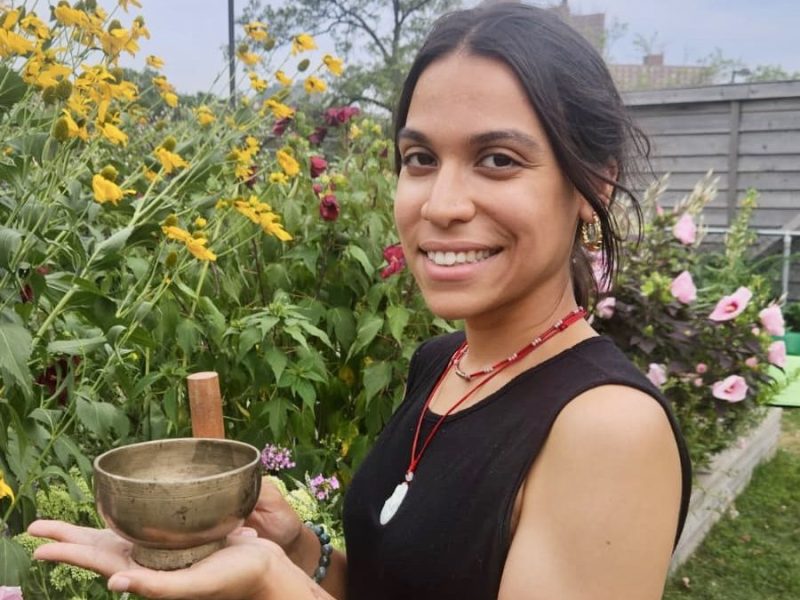
EXHALE Social welcomes our newest contributor La’Tasha Kiongozi curator of our Wellness Wednesday series. La’Tasha Kiongozi is a poet, educator, healer, and sacred artist committed to mindfully savoring the joys of life. They advocate for self expression and honor creativity as medicine. Through their writing and healing remedies, they hope to inform, encourage, and inspire all they cross paths with to flow in holistic wellness and abundance. When they are not brewing herbal medicines or showcasing their work at conferences and workshops, La’Tasha can be found playfully exploring the world, gazing up at the stars, or immersed in a good book. Connect with La’Tasha and explore their work and offerings.
![JayLaTay and EXHALE Bring the Fall Garden[ing] Party Vibes to Philly.](https://exhalesocial.com/wp-content/uploads/2025/02/dsc_8744.jpg?w=1200&h=900&crop=1)