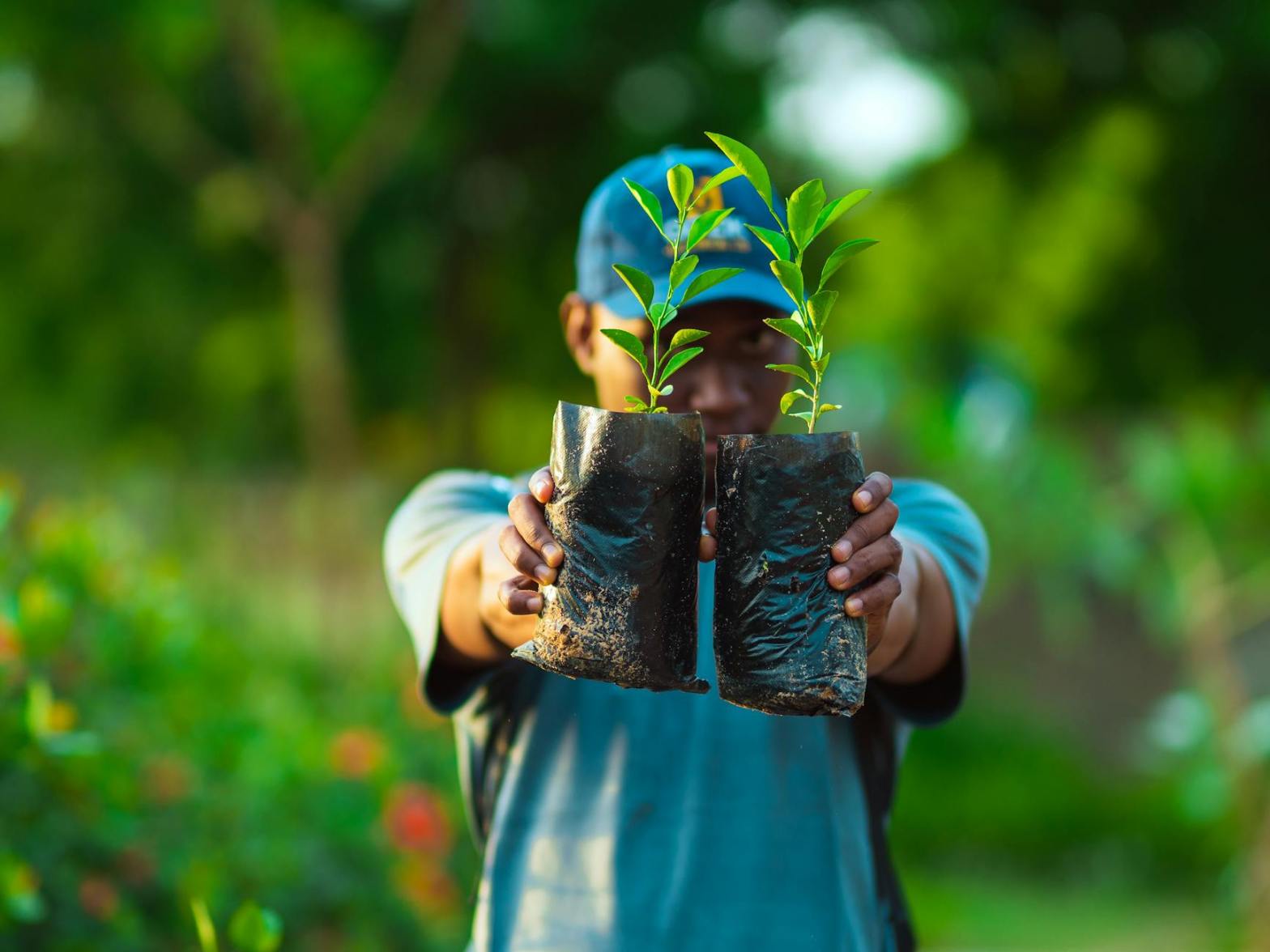
In recent years, the concept of community and urban gardens has flourished across cities worldwide, offering people an opportunity to connect with nature, their neighbors, and their roots. But for communities of color, these gardens hold even deeper significance. They offer a chance to re-learn age-old practices, reclaim lost traditions, and cultivate both food and relationships in ways that heal and empower. From improving health to revitalizing neighborhoods, here are five reasons why you should visit your local community or urban garden.
1. Health Benefits: Reconnecting to Nutrient-Dense, Fresh Food
One of the most immediate and tangible benefits of visiting a community garden is the access to fresh, organic, and locally grown produce. For many BIPOC communities, especially those living in urban areas, food deserts are a harsh reality. A food desert is an area with limited access to affordable and nutritious food, and unfortunately, these areas often align with low-income and predominantly BIPOC communities.
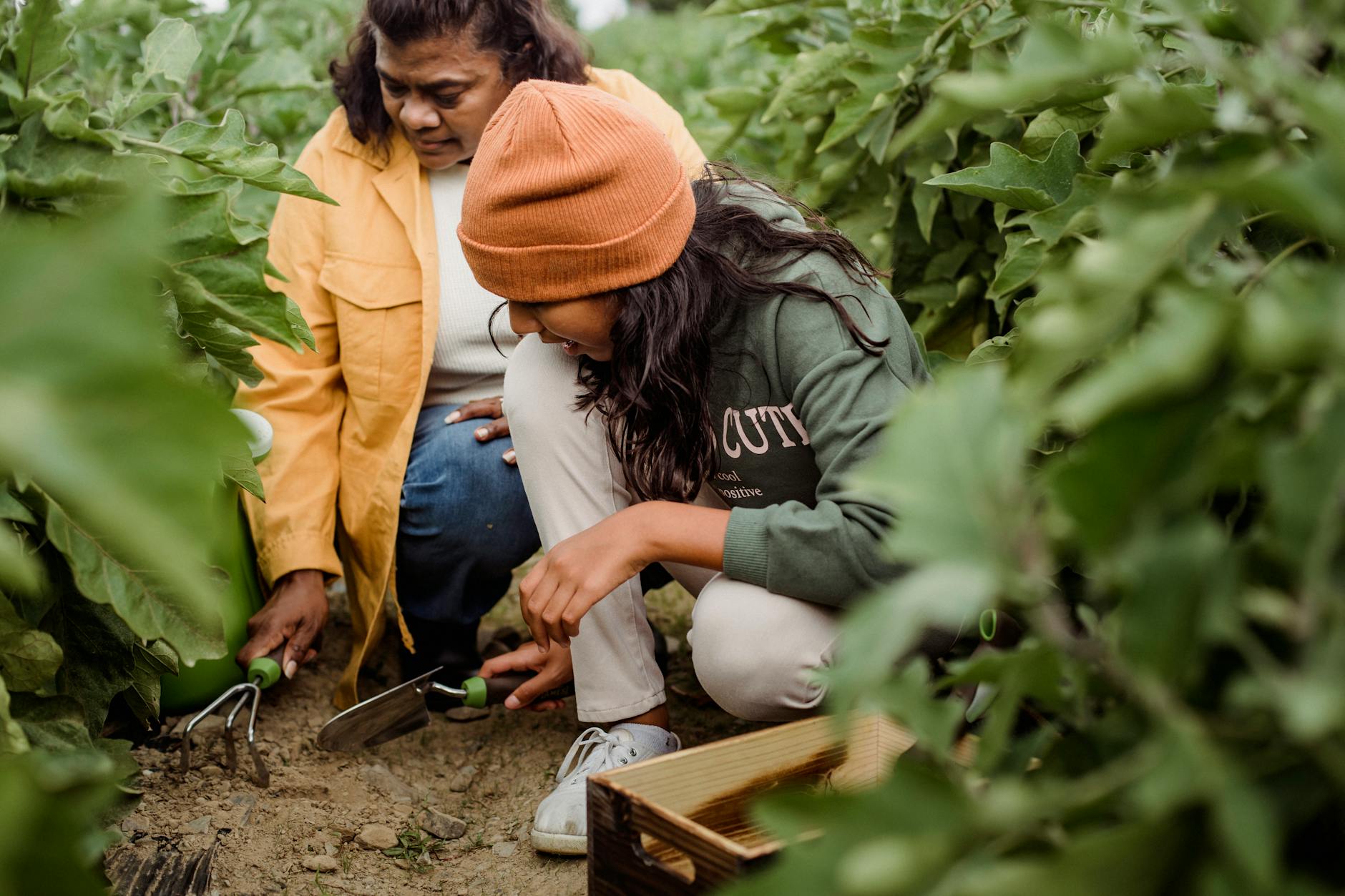
Visiting or volunteering at a community garden is a way to combat this issue. By getting involved, you can have direct access to vegetables, fruits, and herbs that you may not otherwise be able to find in local grocery stores. The nutritional value of fresh produce grown in healthy, soil-rich environments is immeasurable compared to processed, packaged foods.
Additionally, gardening itself is a physical activity. Digging, planting, watering, and tending to plants not only improve your physical fitness but also help reduce stress. Many studies show that working with nature can improve mental health by reducing anxiety and depression. For BIPOC communities that have faced generational trauma, such as the aftermath of systemic racism and socio-economic inequality, gardening offers a therapeutic way to reconnect to a healthier lifestyle—physically and mentally.
“studies show that working with nature can improve mental health by reducing anxiety and depression.”
2. Cultural Connection and Reclaiming Our Heritage
For many BIPOC individuals, particularly those with ancestral ties to agricultural practices, urban and community gardens offer a profound opportunity to reconnect with heritage. Historically, many of our ancestors were farmers, gardeners, and stewards of the land. For Black Americans, Latinx communities, Indigenous peoples, and others, agriculture was not just a means of survival but a way of life. The forced disconnection from the land through slavery, colonization, and urbanization severed this connection.
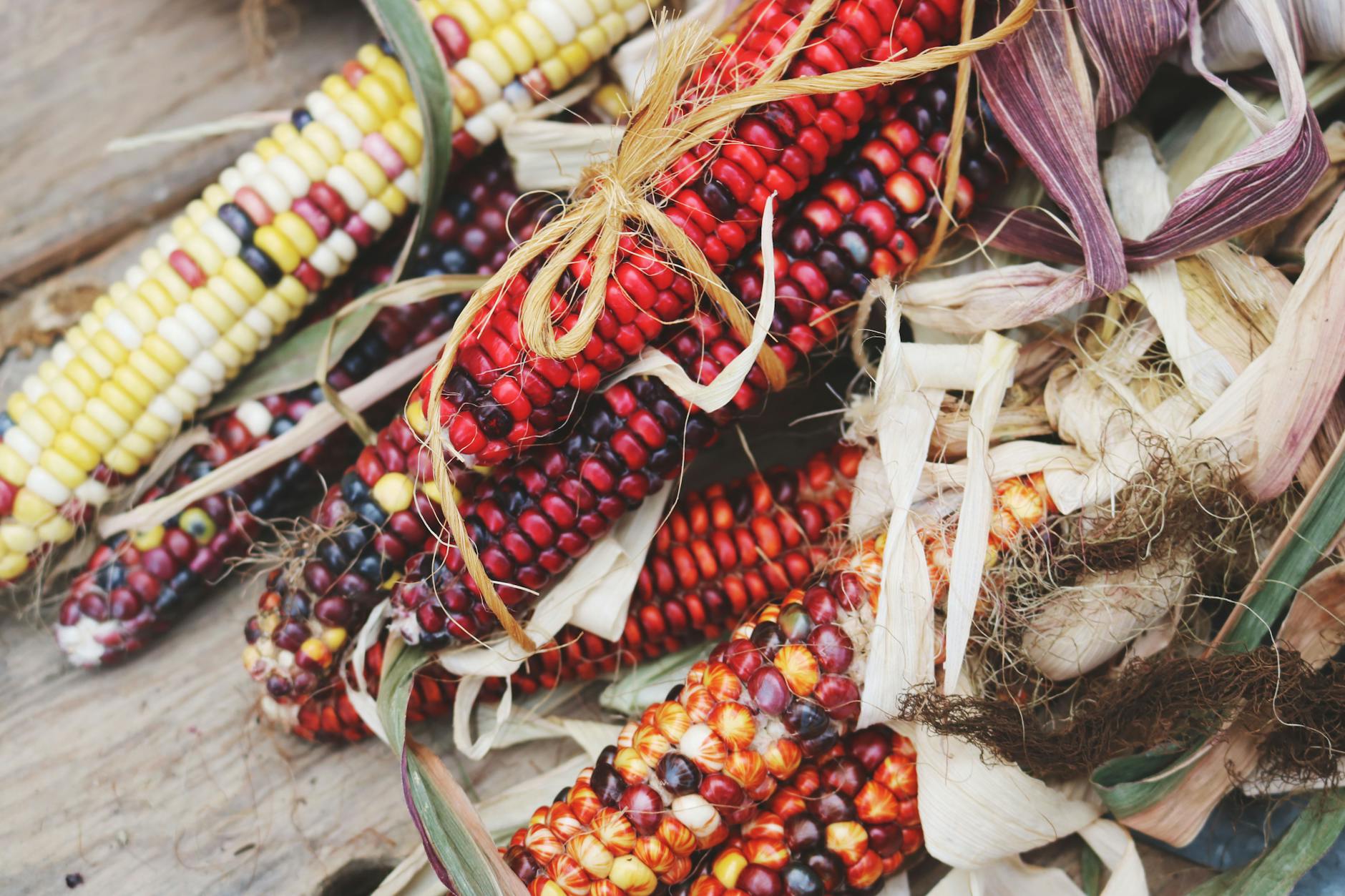
Relearning how to grow our own food is a powerful tool in decolonizing our bodies and reclaiming our cultural practices. Community gardens provide a space where individuals can grow culturally significant foods, from okra and collard greens in African American communities to peppers and corn in Latinx communities. This practice not only nurtures our bodies but also brings us back to a time when food sovereignty was central to our community’s survival. By participating in these gardens, we help restore the richness of our agricultural legacies and keep traditions alive for future generations.
3. Strengthening Social Bonds and Building Solidarity
In the hustle and bustle of modern urban life, it’s easy to feel disconnected from the people around us. However, community gardens offer a space where you can forge new relationships and strengthen existing ones. These gardens are not just about planting vegetables; they are about cultivating a sense of belonging and shared responsibility.
For BIPOC communities, this is especially important. Historically marginalized groups often find themselves isolated due to racial, economic, and social inequalities. Community gardens are a space to build solidarity and unity, regardless of background. They provide an inclusive space where neighbors can share knowledge, learn from each other, and support one another. Whether it’s teaching a young person how to plant their first seed or swapping gardening tips with someone from a different cultural background, these interactions build a stronger, more interconnected community.
Moreover, community gardens often host events, workshops, and potlucks that bring people together. These gatherings allow people to build social networks, promote local culture, and celebrate diversity, all while nurturing relationships through shared experiences.
4. Environmental Justice and Sustainability
Environmental justice is a critical issue for many BIPOC communities. Historically, communities of color have been disproportionately affected by environmental degradation, including pollution, lack of green spaces, and climate change. Community gardens, especially urban gardens, serve as a tool for combating environmental inequality.

By creating green spaces in cities, we are actively working towards reducing air pollution, promoting biodiversity, and mitigating the effects of climate change. These spaces not only beautify neighborhoods but also contribute to improving air and water quality. Furthermore, gardening practices such as composting and organic farming can reduce our reliance on harmful pesticides and fertilizers, which often affect communities of color the most due to proximity to industrial farms.
Urban gardens also provide an educational opportunity to learn sustainable practices and how to reduce our ecological footprint. This knowledge is especially valuable in marginalized communities where environmental sustainability may not always be prioritized. Reclaiming land for urban agriculture helps promote long-term ecological health and ensures that future generations are equipped with the skills needed to live sustainably.
5. Economic Empowerment and Food Sovereignty
Urban and community gardens offer an avenue for economic empowerment, particularly in low-income areas. By growing their own food, BIPOC communities can reduce their reliance on expensive grocery stores and processed foods. This not only saves money but also encourages financial independence and self-sufficiency.

Additionally, many urban gardens create opportunities for local food businesses. Entrepreneurs in BIPOC communities can grow produce for sale at local farmers’ markets or restaurants, contributing to the local economy. These gardens also offer educational workshops and skill-building opportunities that can lead to job creation, particularly in green industries such as horticulture, urban farming, and environmental conservation.
Food sovereignty—the right of communities to control their own food systems—is a central tenet of many BIPOC-led movements. They provide a chance to cultivate not only food but also financial stability and autonomy.
Reclaiming and Redefining Our Relationship with the Land
Community and urban gardens are more than just places to grow food—they are spaces of healing, empowerment, and reconnection for BIPOC communities. These gardens help us reclaim lost traditions, improve our health, foster social bonds, promote environmental justice, and create economic opportunities. By visiting and participating in these spaces, we not only cultivate food but also cultivate a deeper understanding of ourselves, our culture, and our place in the world.
As we re-learn how to grow our own food, we heal our bodies, minds, and communities, while building a more sustainable and just future for generations to come. So, take a moment to visit your local community or urban garden—it’s a step towards reclaiming our roots and nurturing a better, healthier world for us all.


 EXHALE Social