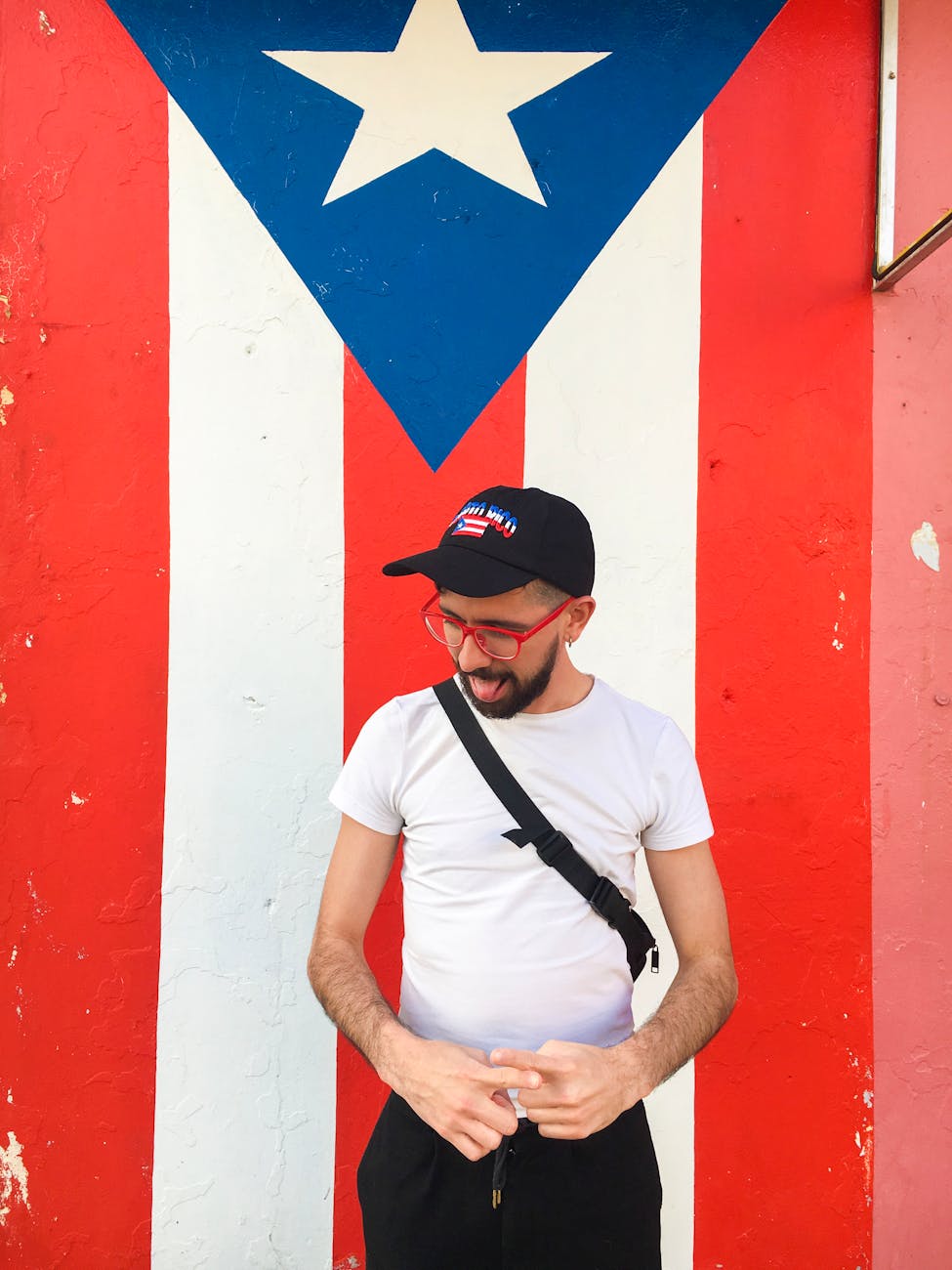
Welcome to 2025, the age of transparency—Bad Bunny has opened the year for us with a profound message. While some have the privilege of remaining blind sited to the fact that they are victims of colonialism, many others have risen above the chaos to see and call out the fact that colonizers are still colonizing. As half Puerto Rican, half Mexican American this new Bad Bunny album really hit different. Since childhood, I’ve witnessed and learned about the historical injustices inflicted on our people, shaping my perspective on life, religion, and our shared humanity. Alongside these injustices, I’ve also seen the power of unity and the strength we have to heal ourselves and preserve our culture and heritage for future generations. His message will either evoke feelings of sadness and diasporic longing, or empower us to unify and ignite another revolución for the books—this time it will be global. Ultimately, the “whitewashing” of our cultures must come to an end.
Bad Bunny, Puerto Rico’s global icon and cultural ambassador, has long used his platform to advocate for social justice, environmental issues, and the preservation of Puerto Rican culture. With his self-directed short film that accompanies his musical album DeBÍ TiRAR MáS FOToS, he takes a bold step further in blending his artistry with activism. The film captures the emotional and vivid reality of Puerto Rico’s ongoing struggle against gentrification—an issue that extends far beyond the island’s shores. Through compelling visuals and thought-provoking commentary, Bad Bunny’s work offers a lens through which we can understand the broader impacts of gentrification on culture, the environment, and society at large. Here are five key lessons we can learn from Bad Bunny’s short film about culture and gentrification, both in Puerto Rico and beyond.
1. Gentrification: A Veiled Tool for Capitalist Exploitation
At its core, gentrification is often sold as “urban renewal” or “progress.” Bad Bunny’s film takes aim at the corporate forces behind this rhetoric, exposing the darker reality of how gentrification serves as a mechanism for capitalist exploitation. In Puerto Rico, the phenomenon is even more insidious due to the island’s colonial relationship with the United States and its ongoing economic struggles.
Through vivid imagery of luxury condos being built on the ruins of historical neighborhoods, the short film critiques how private developers and foreign investors have come to view Puerto Rico as a commodity. Developers bulldoze older homes, family businesses, and culturally rich areas, replacing them with high-end hotels and expensive residences catering to wealthy tourists or the transient elite.
This story is not unique to Puerto Rico. In cities like New York, Philadelphia, San Francisco, London, and beyond, gentrification has followed a similar pattern—long-established communities are displaced in favor of new developments designed for higher-income residents. These communities, often historically marginalized or working-class, are forced out as rents skyrocket and the local culture gets watered down in favor of corporate interests.
What Bad Bunny’s film makes clear is that gentrification is not about “fixing” neighborhoods but about rebranding them for profit. As neighborhood demographics shift, the identity of these areas is also erased, replaced by commercialized versions of local culture that serve global markets rather than the original residents.

2. Cultural Identity and Heritage Are Commodified in the Name of Profit
Gentrification doesn’t just affect housing or infrastructure—it also has a devastating impact on culture. Puerto Rican culture, with its deep Afro-Caribbean roots, vibrant traditions, and unique identity, is at the heart of the island’s resistance to gentrification. Yet, as the film highlights, it is increasingly under threat from the forces of globalization and tourism.
Bad Bunny’s film visually demonstrates the transformation of Puerto Rican culture into a “brand.” Traditional Puerto Rican art, music, food, and festivals, once central to the island’s identity, are being diluted to meet the demands of affluent tourists. Local artists are displaced, and authentic Puerto Rican experiences are commodified into sanitized versions that can be marketed as exotic experiences to outsiders. This creates a false narrative of what Puerto Rico “should” be, leaving little room for the everyday Puerto Rican’s voice and story.
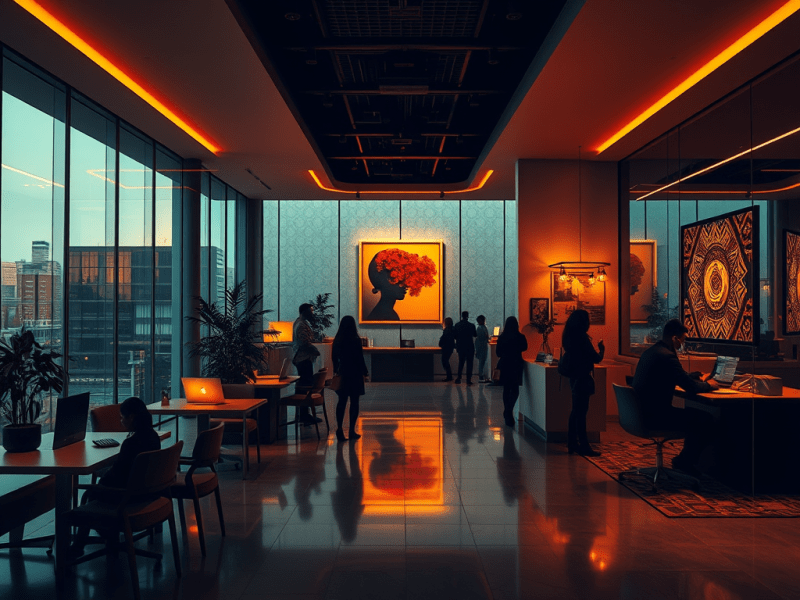
A similar process of commodification is occurring globally. In places like New York, London, and Rio de Janeiro, the working-class cultures that once defined neighborhoods are being erased by developments tailored to wealthier demographics. Local food markets become high-end boutiques, lively street art gets replaced by mass-produced replicas, and working-class residents are pushed into the margins, leaving behind nothing but the shells of their original culture.
Bad Bunny’s film illustrates that gentrification is not just about urban renewal; it’s about the erasure of cultural identity in the pursuit of profit. For Puerto Ricans, this erasure has deeper implications, as it’s not only about losing cultural landmarks but also about the loss of sovereignty and the right to define one’s own space and culture.
3. Environmental Destruction: The Hidden Cost of Gentrification
In addition to the cultural erasure caused by gentrification, there are also significant environmental consequences—ones that Bad Bunny’s film does not shy away from. Puerto Rico’s natural environment is under siege as well. Development projects are rapidly encroaching on pristine land, destroying fragile ecosystems that have supported local wildlife for centuries. Among the most vulnerable species is the coquí, a tiny, endemic frog whose distinctive nighttime call is synonymous with Puerto Rican identity and is the co-star of the short film.
As developers push further into the island’s lush, tropical landscapes, the coquí’s natural habitat is being destroyed. This environmental degradation is not only harmful to Puerto Rico’s biodiversity but also to its people. The destruction of green spaces, coastal areas, and agricultural land threatens the very foundation of Puerto Rico’s economy and health. Clean water, fertile soil for farming, and natural areas that attract tourists are all being compromised in the name of “progress.”
This problem is not confined to Puerto Rico. As gentrification pushes into rural and tropical areas across the globe, from parts of Latin America to Southeast Asia and Africa, similar environmental damages are taking place. The global demand for land for commercial use and luxury developments often comes at the expense of indigenous habitats, agricultural lands, and biodiversity.
Bad Bunny’s short film reminds us that gentrification is not just a cultural battle—it is an environmental one. Without the preservation of natural resources, there can be no true sustainable development. As the planet faces increasing ecological crises, the fight to protect the environment becomes inextricably linked to the fight against gentrification.
4. Gentrification Is a Global Phenomenon, But the Struggles Are Local
While gentrification often manifests in the same ways—displacement, rising rents, cultural erasure—its impacts vary depending on the context. Puerto Rico’s status as a U.S. colony makes its fight against gentrification even more complex. The island faces not only the usual challenges of displacement and cultural commodification but also the added layer of economic dependency on foreign capital and the control of the U.S. government.
Bad Bunny’s film portrays a community struggling against powerful external forces that don’t just threaten their homes but their autonomy. This struggle is emblematic of the broader issues faced by many countries in the Global South, where foreign capital often drives urban redevelopment and environmental destruction.
However, the resistance to gentrification is also taking root in these communities. In Puerto Rico, activists have long fought for the preservation of historic neighborhoods, the protection of natural resources, and the reclamation of their cultural identity. Around the world, communities in places like Brooklyn, Mexico City, and Rio de Janeiro are banding together to resist displacement through grassroots activism and collective action.
Bad Bunny’s film highlights that the fight for Puerto Rico is also the fight for cities and communities everywhere. In every gentrified neighborhood, there are people standing up, organizing, and fighting back. The struggle is local, but the implications are global.
5. Resisting Gentrification: Action Through Community and Solidarity
Despite the overwhelming forces of gentrification, Bad Bunny’s film and musical album offers a message of hope. Resistance is not only possible but essential. Communities around the world have shown time and time again that through solidarity, activism, and community organizing, they can push back against gentrification and fight for their right to remain in their neighborhoods.
In Puerto Rico, local efforts to protect heritage sites, environmental spaces, and affordable housing are gaining momentum. Whether through political advocacy, direct action, or the preservation of cultural landmarks, Puerto Ricans are demonstrating that their culture, environment, and communities are worth fighting for.
This resistance is global, as well. From urban farming initiatives in New York to community-led zoning campaigns in Los Angeles, activists everywhere are reimagining how cities can grow in a way that benefits everyone, not just the wealthy few.
For individuals and communities facing gentrification, Bad Bunny’s film encourages participation in local resistance movements, supporting small businesses, advocating for policies that prioritize affordable housing, and pushing for sustainable, inclusive development. It also calls on individuals to engage with their culture and heritage, creating spaces that reflect their identity and resist the pressures of commercialization.
Moving Forward with Purpose
Bad Bunny’s short film is a powerful testament to the fight against gentrification, cultural erasure, and environmental destruction. It reminds us that gentrification is not an isolated issue—it’s a global challenge that affects communities from Puerto Rico to the United States, and beyond. However, the film also offers a message of resistance: that through solidarity, activism, and a deep commitment to preserving both culture and the environment, we can fight back against these forces.
As gentrification continues to unfold, it’s up to us—whether in Puerto Rico, or other locations across the globe—to rise to the challenge. By organizing, advocating for policies that prioritize local communities, and creating spaces that celebrate our cultural heritage, we can resist the forces that seek to erase the heart and soul of our neighborhoods. Bad Bunny’s film serves as a call to action for us all.
Written by Guest Contributor Rachele Sanchez


 EXHALE Social